
Dehydration in Older Adults is a common health concern that occurs when the body loses more fluids than it takes in. As people age, their sense of thirst may decrease, making it easier to become dehydrated without realizing it. Certain medical conditions, medications, and hot weather can further increase the risk. Recognizing the warning signs of dehydration and taking preventive measures can help older adults maintain their health, energy levels, and overall well-being.
Why Dehydration in Older Adults Is a Serious Concern
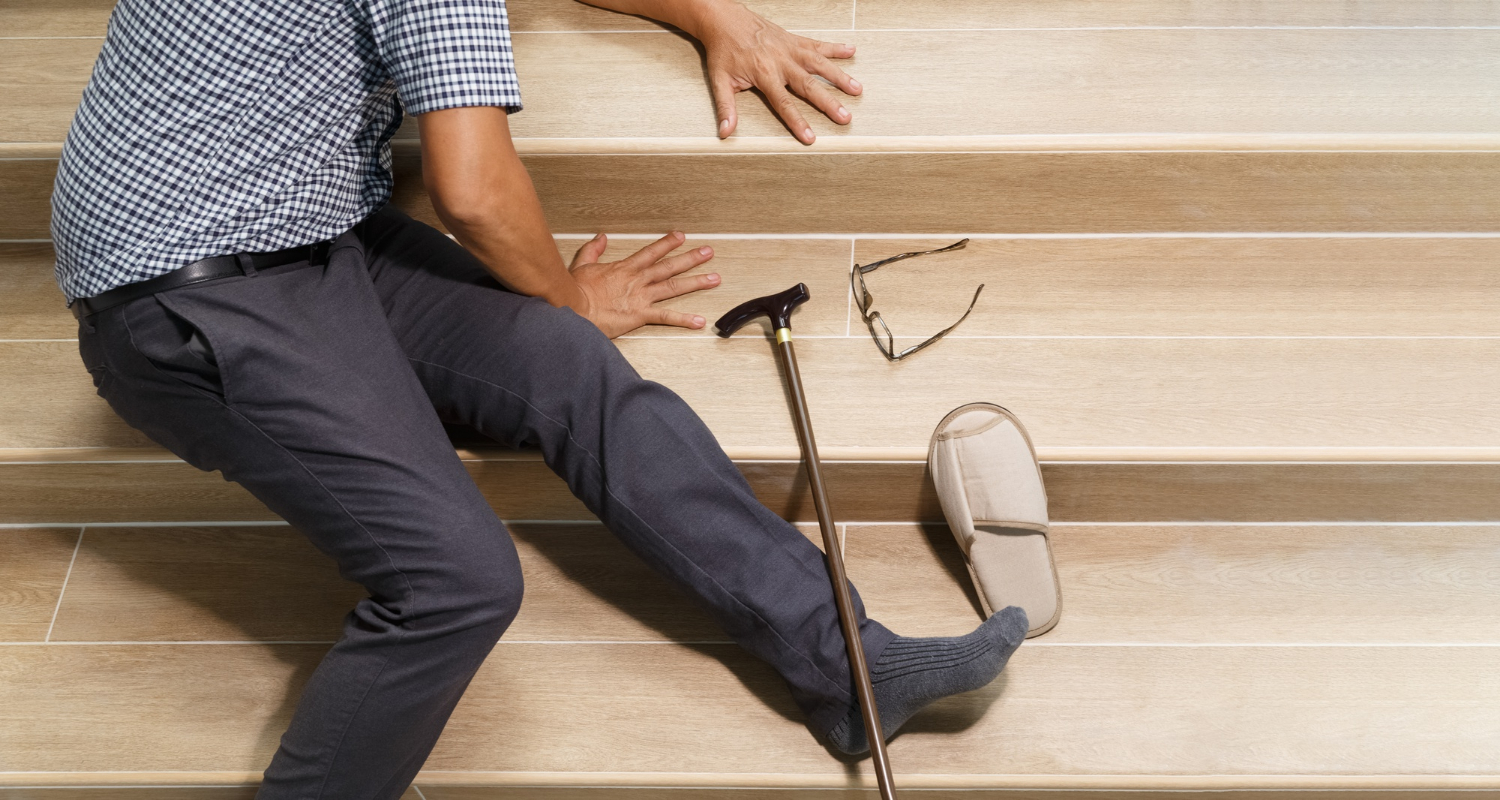
Water plays a vital role in regulating body temperature, supporting digestion, maintaining blood circulation, and ensuring proper organ function. When the body does not receive enough fluids, it can affect physical and cognitive health. Dehydration in Older Adults can lead to weakness, confusion, dizziness, and an increased risk of falls and hospitalizations if left untreated.
Common Causes of Dehydration in Older Adults
Several factors contribute to dehydration among seniors. A reduced sense of thirst often makes older adults less likely to drink enough fluids throughout the day. Certain medications, such as diuretics, can increase fluid loss. Chronic illnesses, digestive issues, excessive sweating, and hot weather can also contribute to dehydration.
Limited mobility or difficulty accessing fluids may further increase the risk, especially for individuals living alone or recovering from illness.
Warning Signs of Dehydration in Older Adults
Recognizing symptoms early is important for preventing complications. One of the most common signs is persistent thirst. Older adults may also experience dry mouth, dry skin, fatigue, dizziness, headaches, and muscle weakness.
Additional warning signs include dark-colored urine, reduced urination, confusion, irritability, and difficulty concentrating. In more severe cases, dehydration can affect blood pressure and increase the risk of fainting.
How Dehydration Affects Overall Health
Dehydration can impact multiple body systems. It may reduce energy levels, affect kidney function, and interfere with the body’s ability to regulate temperature. Older adults who become dehydrated may also face a higher risk of urinary tract infections, constipation, and balance-related issues.
Maintaining proper hydration supports healthy circulation, cognitive function, and physical performance.
Simple Ways to Prevent Dehydration in Older Adults
Prevention begins with developing healthy hydration habits. Drinking water regularly throughout the day is one of the most effective ways to maintain fluid balance. Seniors should not wait until they feel thirsty to drink fluids.
Keeping a water bottle nearby, consuming water-rich foods, and establishing a routine for fluid intake can help support hydration. Family members and caregivers can also encourage regular fluid consumption.
The Importance of Hydrating Foods
Many fruits and vegetables contain high amounts of water and can contribute to daily fluid intake. Foods such as watermelon, oranges, cucumbers, strawberries, and lettuce can help support hydration while providing essential nutrients.
Including these foods as part of a balanced diet can make it easier for older adults to maintain adequate fluid levels.
Managing Hydration During Hot Weather
Hot temperatures can increase fluid loss through sweating, making hydration even more important. During warm weather, older adults should drink fluids more frequently and avoid prolonged exposure to excessive heat.
Wearing lightweight clothing, staying indoors during the hottest parts of the day, and using cooling measures can help reduce the risk of dehydration.
How Home Healthcare Can Help
Home healthcare professionals can monitor hydration levels, identify early signs of dehydration, and educate patients and families about proper fluid intake. They can also help develop personalized care plans that support hydration and overall health.
Regular monitoring is especially beneficial for older adults with chronic conditions or mobility challenges.
When to Seek Medical Attention
Medical evaluation may be necessary if symptoms such as severe dizziness, confusion, rapid heartbeat, extreme weakness, or reduced urination develop. Early intervention can prevent complications and help restore healthy fluid balance.
Family members and caregivers should seek professional assistance if they notice significant changes in an older adult’s physical or mental condition.
Conclusion
Dehydration in Older Adults can have serious health consequences, but many cases are preventable with proper hydration habits and awareness. Recognizing the warning signs, drinking fluids regularly, consuming hydrating foods, and seeking timely medical attention when needed can help maintain health and independence. By making hydration a daily priority, older adults can support their overall well-being and reduce the risk of dehydration-related complications.