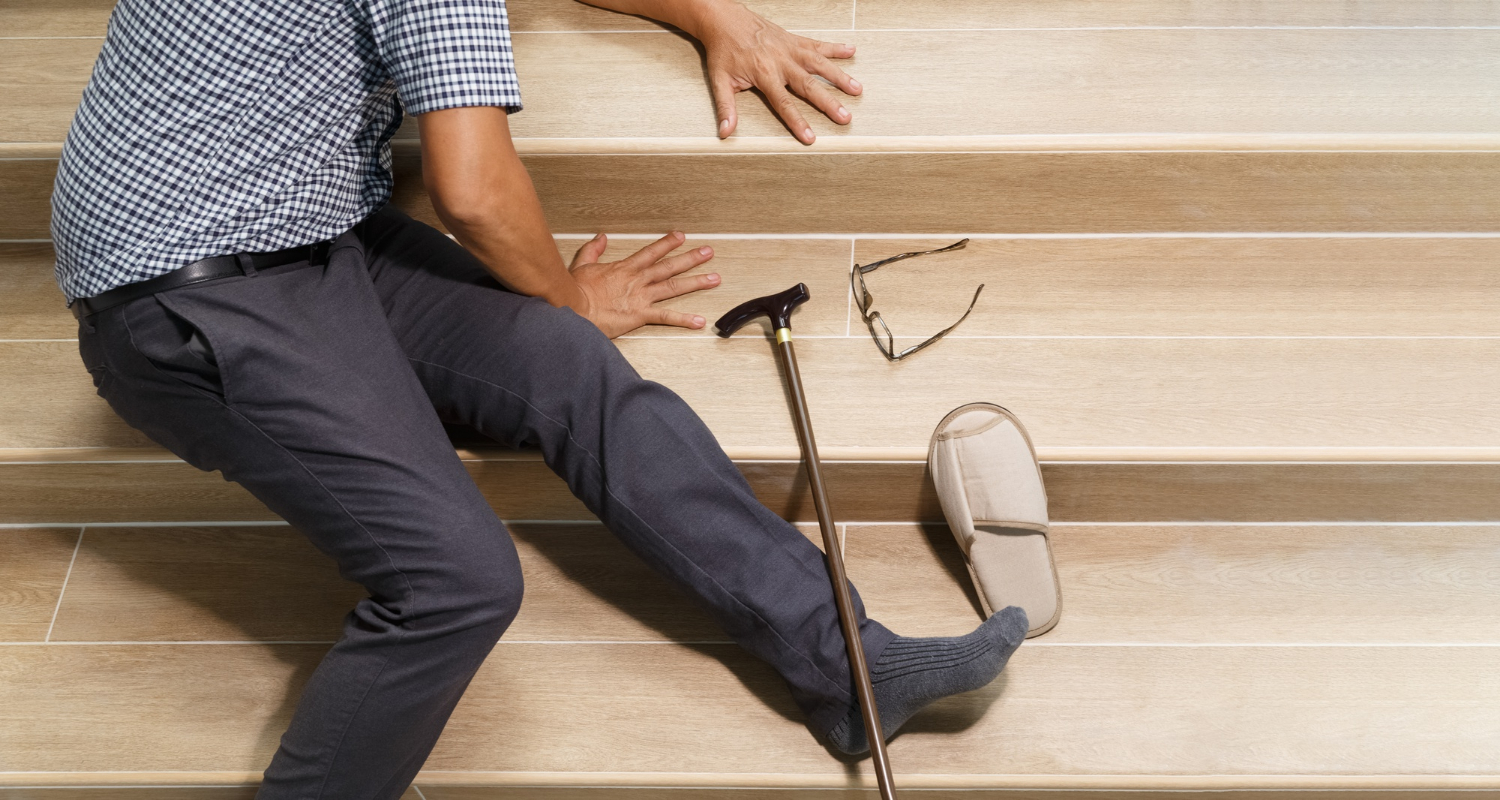
Fall Prevention for Seniors is an important aspect of healthy aging that helps older adults maintain their independence, mobility, and quality of life. Falls are one of the leading causes of injuries among seniors and can result in fractures, hospitalizations, and reduced confidence in performing daily activities. By understanding common fall risks and adopting practical safety measures, seniors and caregivers can create a safer living environment and reduce the likelihood of accidents.
Why Fall Prevention for Seniors Matters
Falls can have a significant impact on an older adult’s physical and emotional well-being. Beyond injuries, a fall may lead to a fear of falling again, causing seniors to limit their activities and become less active. Effective Fall Prevention for Seniors helps maintain confidence, supports independent living, and promotes a healthier lifestyle.
Common Risks Affecting Fall Prevention for Seniors
Several factors can increase the likelihood of falls. Age-related muscle weakness, reduced balance, vision problems, and certain medical conditions can make everyday movements more challenging. Some medications may also contribute to dizziness or reduced coordination. Identifying these risk factors early is an important step in Fall Prevention for Seniors.
Keep Walkways Clear and Safe
A clutter-free home can significantly reduce fall risks. Remove loose rugs, electrical cords, and unnecessary furniture from walkways. Keeping frequently used items within easy reach can also prevent unnecessary stretching or climbing. Clean and dry floors help minimize the chances of slipping and falling.
Improve Lighting Throughout the Home
Proper lighting is essential for safe movement around the home. Dark hallways, staircases, and entryways can make it difficult to see obstacles. Installing brighter lighting and using nightlights in bedrooms and bathrooms can improve visibility and support Fall Prevention for Seniors, especially during nighttime hours.
Wear Supportive Footwear
Footwear plays a major role in maintaining balance and stability. Seniors should choose shoes that fit properly and provide good support and traction. Avoiding loose slippers and walking barefoot on slippery surfaces can help reduce the risk of falls.
Install Safety Features in Key Areas
Bathrooms and stairways are among the most common locations for falls. Installing grab bars near showers and toilets can provide extra support. Handrails on both sides of staircases and non-slip mats in wet areas can further improve household safety and contribute to effective Fall Prevention for Seniors.
Stay Physically Active
Regular physical activity helps improve strength, flexibility, and balance. Gentle exercises and mobility-focused activities can enhance stability and reduce fall risks. Seniors should consult their healthcare providers before starting new exercise programs to ensure the activities are suitable for their individual needs.
Schedule Regular Health Check-Ups
Routine medical appointments can help identify health issues that may contribute to falls. Vision and hearing assessments are particularly important because changes in these senses can affect balance and awareness of surroundings. Healthcare providers can also review medications and recommend adjustments if necessary.
How Home Healthcare Supports Fall Prevention for Seniors
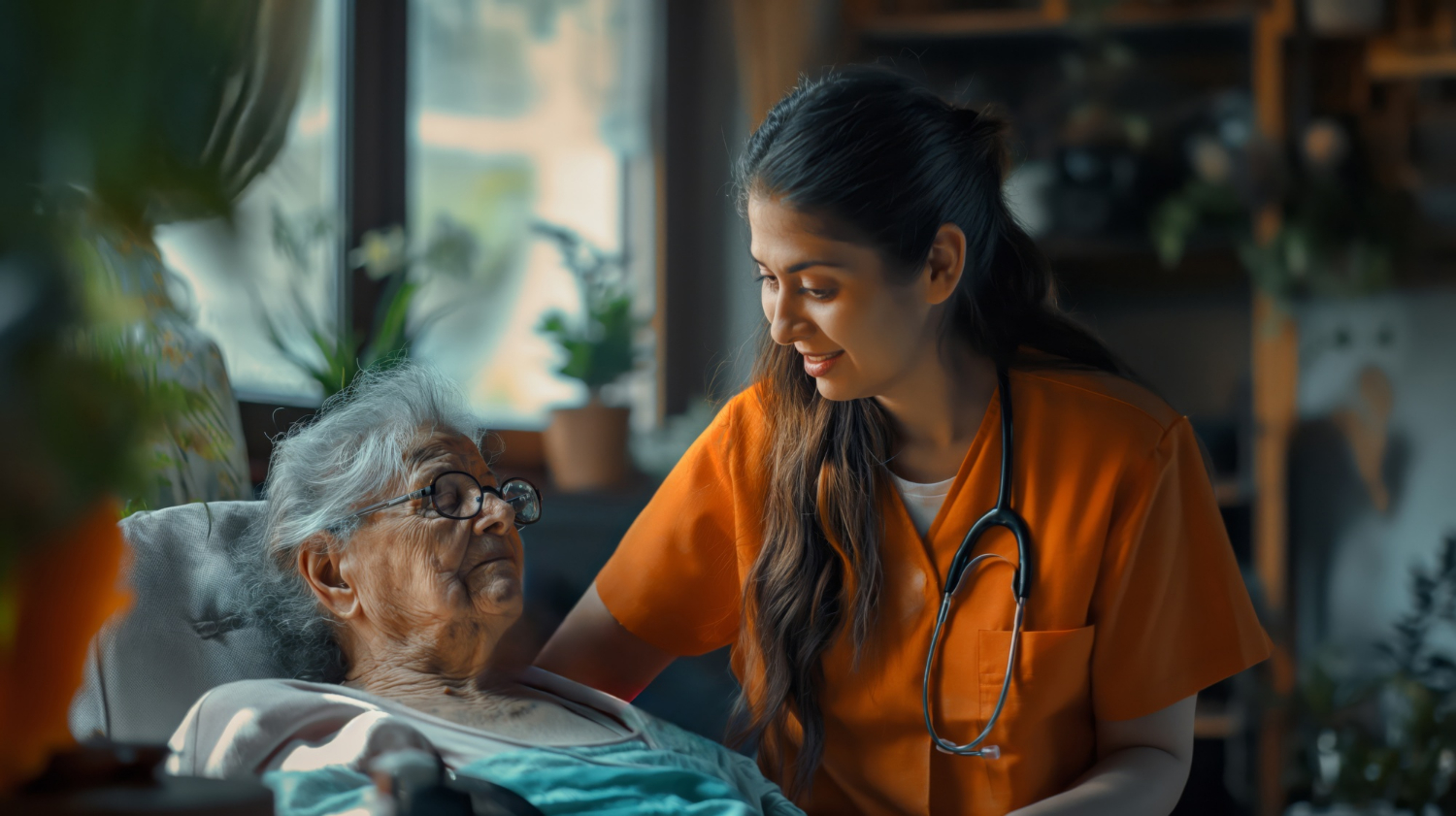
Home healthcare professionals can play a valuable role in identifying potential hazards and recommending safety improvements. They can assess mobility, provide guidance on daily activities, and help develop personalized Fall Prevention for Seniors strategies. Their support can help older adults remain safe and independent within their homes.
When to Seek Professional Assistance
If a senior experiences frequent falls, balance difficulties, dizziness, or reduced mobility, professional evaluation is recommended. Early intervention can help identify underlying causes and prevent future accidents. Family members and caregivers should pay close attention to any changes that may increase fall risks.
Conclusion
Fall Prevention for Seniors is essential for protecting health, safety, and independence in later life. Simple measures such as improving home safety, wearing supportive footwear, staying physically active, and attending regular health check-ups can significantly reduce the risk of falls. With the right precautions and support, older adults can continue to enjoy active, confident, and independent lives.